
Breathalyzer Refusal Attorney in Rhode Island
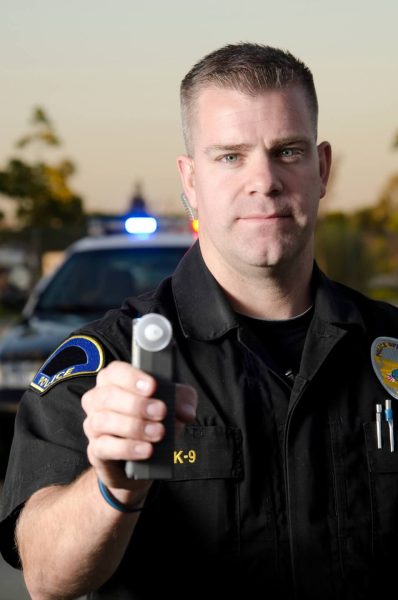
Rhode Island has strict laws and severe punishments for DUI and breathalyzer test refusals. In 2006, the General Assembly passed a bill with much harsher penalties for refusing chemical testing in the state. Due to the recent changes in legislation individual rights regarding refusals can be misunderstood and misconstrued. Having an experienced DUI attorney who is well-versed in Rhode Island's breathalyzer refusal laws is vital to the outcome of your case. Rhode Island Breathalyzer Refusal Lawyer Chad Bank is known for his aggressive and effective defense when representing clients charged with this crime.
DUI charges are common in the state of Rhode Island and sometimes carry severe penalties. Additionally refusing a breathalyzer test also carries criminal penalties in Rhode Island. Breathalyzer refusals can assign:
- up to twelve months of a suspended license
- DUI educational courses
- community service
- and fines
The sooner you contact an experienced Rhode Island DUI Lawyer the higher your potential for successful results will be.
There are three major offense categories for Breathalyzer Test Refusals
First Offense Breathalyzer Refusal
- Fined 200 to 500
- 10 to 60 hours of mandatory community service
- Suspended license six months to one year
- Highway Safety Assessment
- Enrollment in a driving school or alcohol treatment program
- 200 fee to the department of healths chemical testing programs
Second Offense Breathalyzer Test Refusal
- Fined 600 to 1000
- Suspended license 1 to 2 years
- 60 to 100 hours of mandatory community service
- Mandatory alcohol or drug treatment
- Highway Safety Assessment
- Enrollment in a driving school or alcohol treatment program
- 200 fee to the department of healths chemical testing programs
Third Offense Breathalyzer Test Refusal
- Fined up to 1000
- Up to one year of imprisonment
- License suspension for 2 to 5 years
- 100 hours of mandatory community service
- Mandatory alcohol or drug treatment
- Reinstatement Hearing
- Highway Safety Assessment
- Enrollment in a driving school or alcohol treatment program
- 200 fee to the department of health’s chemical testing programs
What Happens If I Refuse A Breathalyzer Test In Rhode Island?
If you refuse a breathalyzer test in Rhode Island there are a number of things that will occur right from the start. First your license will be suspended after the arraignment and prior to a hearing. Second chances of winning are relatively low as the state must only prove probable cause for arrest and reasonable suspicion that you were driving while intoxicated. The State of Rhode Island will then more than likely charge you of criminal DUI based purely off observation.
If you refuse the breathalyzer and lose your case you will lose your license for six to twelve months and acquire fines traffic school and community service. Auto insurance will also increase. You will not receive a criminal conviction on your record unless you refuse the breathalyzer a second time. On the other hand, if you take a breathalyzer test and fail it you will be charged with a criminal DUI but will only lose your license once convicted. Weighing the pros and cons of choosing to refuse a breathalyzer test or not is a tough choice to make. However, Rhode Island DUI Lawyer Chad Bank has experience representing both types of clients successfully.
The Implied Consent Statute at R.I.G.L. § 31-27-2.1
Rhode Island's implied consent law lives at R.I.G.L. § 31-27-2.1. The statute treats every driver on Rhode Island roads as having already consented to a chemical test of breath, blood, or urine when a law enforcement officer has reasonable grounds to believe the driver is under the influence. Every Rhode Island breathalyzer refusal case runs through this section. Understanding the way § 31-27-2.1 is written matters because the penalties are separate from the DUI itself and layer on top of any DUI conviction.
First Refusal Is a Civil Violation
A first refusal to submit to a chemical test is a civil violation under Rhode Island law, not a criminal offense. That means:
- No jail time on the refusal itself
- No permanent criminal conviction on the refusal
- The case is heard in the Rhode Island Traffic Tribunal rather than criminal court
The civil designation does not make the penalties light. A first Rhode Island breathalyzer refusal carries license suspension of six months to one year, a statutory fine, a highway safety assessment, community service hours, enrollment in a driving school or alcohol treatment program, and a fee to the Department of Health chemical testing program.
Second Refusal Becomes a Misdemeanor
A second refusal within ten years is a misdemeanor (the lookback was extended from five years for offenses on or after July 1, 2025). That moves the case out of the Traffic Tribunal and into criminal court. Penalties include license suspension of one to two years, higher fines, 60 to 100 hours of community service, mandatory alcohol or drug treatment, the highway safety assessment, and possible jail exposure. A second Rhode Island breathalyzer refusal is a criminal charge on your record.
Third Refusal Carries the Sharpest Penalties
A third refusal carries the sharpest civil consequences under the statute. Penalties include:
- License suspension of two to five years
- Up to one year of imprisonment
- 100 hours of community service
- Mandatory alcohol or drug treatment
- Reinstatement hearing after the suspension ends
- Higher fines and assessments
The state counts prior refusals over a ten-year lookback, extended from five years for offenses on or after July 1, 2025. A Rhode Island DUI lawyer will confirm the prior history before the arraignment.
License Suspension Applies Right Away
Rhode Island license suspension on a refusal does not wait for a trial. After the arraignment, an administrative suspension goes into effect. The Division of Motor Vehicles takes the driver's license under the implied consent framework. This administrative track runs separately from the underlying DUI or refusal court case.
Preliminary Breath Test vs Formal Chemical Test
The refusal statute distinguishes between two different tests. The preliminary breath test (PBT) is a roadside screening device the officer uses before the arrest. The formal chemical test is administered at the police station after the arrest, usually on an Intoxilyzer or similar approved instrument. Refusing the roadside PBT carries a lighter penalty than refusing the formal station-house test. The six-month baseline Rhode Island license suspension applies to refusal of the formal chemical test, not the PBT.
Refusal Alone Does Not Stop a DUI Charge
Rhode Island drivers sometimes assume that refusing the breathalyzer prevents a DUI charge. It does not. The state can and does file DUI charges based on:
- Officer observations of driving behavior
- Field sobriety test performance
- Odor of alcohol on the driver
- Slurred speech
- Bloodshot eyes
- Any admissions the driver made at the scene
Evidence of the refusal is not admissible at the criminal DUI trial unless the driver chooses to testify (§ 31-27-2(c)(1)). That means a Rhode Island breathalyzer refusal case often runs alongside a criminal DUI case in a different courtroom.
Pending 2026 Legislation: Bill S2970
Rhode Island Senate Bill S2970 was introduced in the 2026 legislative session. The bill proposes changes to the chemical test refusal framework. As of this writing, S2970 has not been enacted into law. The proposal remains a bill, not a statute. Anyone reading about the Rhode Island breathalyzer refusal law needs to work from what § 31-27-2.1 says today, not what a bill might do if it passes. Confirm the current status with a Rhode Island DUI lawyer before making any decision based on a pending bill.
The Rhode Island Traffic Tribunal Hearing
A first refusal case is heard at the Rhode Island Traffic Tribunal in Cranston. The state has to prove four elements at that hearing:
- The officer had reasonable grounds to believe the driver was under the influence
- The driver was placed under arrest
- The driver was informed of the implied consent warnings
- The driver refused to submit to the test
The burden of proof is by clear and convincing evidence, which is lower than the reasonable doubt standard used in criminal court. That is one of the reasons the process moves quickly.
Ignition Interlock After a Refusal
Rhode Island law allows the court to require an ignition interlock device as a condition of license reinstatement after a refusal. The interlock is installed at the driver's expense. It requires a breath sample before the vehicle will start and periodically while the vehicle is running. Interlock terms typically run from six months to two years depending on the refusal offense number.
Highway Safety Assessment and Program Fees
Every Rhode Island refusal conviction includes a highway safety assessment paid to the state, plus a fee to the Department of Health chemical testing program. These are separate from the base fine. Failure to pay any of the assessments can hold up license reinstatement.
Hardship License Availability
A Rhode Island driver serving a refusal-based suspension may be able to petition for a conditional or hardship license after a portion of the suspension is served. The hardship license restricts driving to work, school, medical appointments, and treatment programs. It requires an ignition interlock in most cases.
Insurance Consequences of a Refusal
A Rhode Island breathalyzer refusal on your driving record has ripple effects at the auto insurance level. Carriers pull the record when a policy is written or renewed. Rhode Island does not require an SR-22 filing; the DMV eliminated it on July 18, 2018. Insurers still treat a refusal as a high-risk event and often raise rates for several years. An SR-22 only comes into play if another state is holding your driving privilege and requires one.
What the Statute Requires the Officer to Say
Section 31-27-2.1 requires the officer to advise the driver of the specific consequences of refusing the chemical test before taking a refusal. The implied consent advisement is not optional. If the advisement was skipped or given incorrectly, that becomes an issue at the Traffic Tribunal hearing. Rhode Island DUI lawyers pull the dashcam and station-house video to check what was actually said.
Common Defense Angles for a Refusal Case
A Rhode Island breathalyzer refusal case can be defended on procedural grounds without touching the underlying DUI question. Common issues include:
- Whether the officer had reasonable grounds for the stop
- Whether the arrest was supported by probable cause
- Whether the implied consent warnings were read as required
- Whether the officer gave the driver a real opportunity to reconsider
- Whether the alleged refusal was actually a refusal or a physical inability to complete the test
Each of those questions comes down to what the arrest report, dashcam video, and station-house video actually show.
What to Do at the Roadside
Rhode Island drivers pulled over on a suspected DUI have to make a decision about the breathalyzer under pressure. The choice carries consequences either way. What matters most after the stop ends is contacting a Rhode Island DUI lawyer before the arraignment, because the arraignment sets the timing of the administrative suspension and the schedule for the Traffic Tribunal hearing.
Rhode Island Criminal Defense Lawyer Chad Bank is committed to giving your Breathalyzer Refusal case the attention you deserve. Contact us today for a free consultation. Call Rhode Island Breathalyzer Refusal Defense Attorney Chad Bank now at 401-573-2265.